
How to Open a Drain Pipe under the Sink?
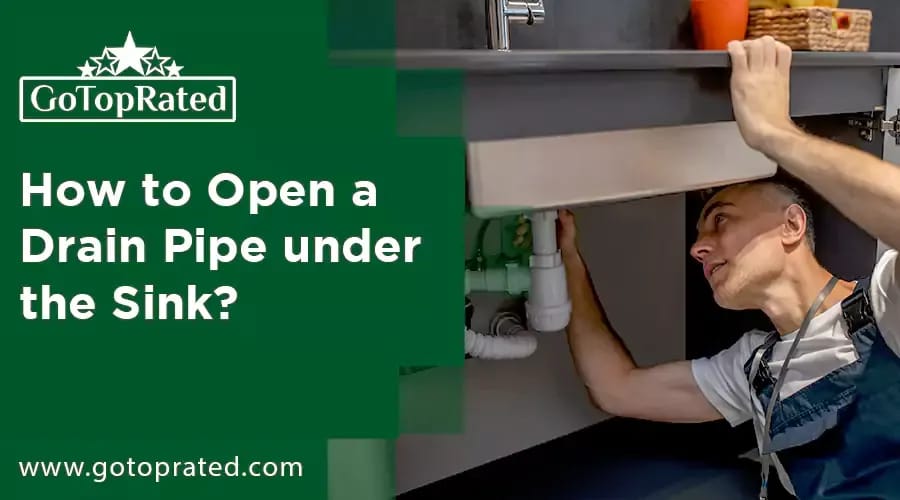
A Complete DIY Guide for Homeowners
Anyone who owns a house or enjoys DIY projects will find it quite useful to know how to open a drain line under the sink. You may avoid hiring a plumber and save time and money by handling your sink problems properly, whether they are caused by a blockage, poor draining, or just want to do some maintenance.
In this post, we'll show you the process of opening a drain pipe under the sink for clearing a blocked sink drain pipe, taking parts out, and safely resolving typical issues. We'll share real-life tips to help you fix your bathroom or kitchen drains. We'll also go over the importance of DIY drain cleaning and how to utilize drain pipe removal equipment properly to avoid causing damage to your plumbing.
Let's begin by learning about properly opening your drain pipe!
Why You Might Need to Open the Drain Pipe under the Sink
You may need to open your sink drain line for the following reasons:
- Water is draining slowly or not at all due to a plugged drain
- Frequent upkeep to avoid accumulation and maintain the drain's cleanliness
- Repairing or swapping out damaged drain components
- Repairing a dripping drainpipe
- Replacing a kitchen sink drain or fixing a bathroom sink drain
- Plumbing the sink's drain pipe or replacing it
When you know how to open your drain line or Drain Cleaning correctly, you may easily identify the issue and repair parts or clear clogged drains.
Essential Drain Pipe Removal Tools
| Tool Name | Purpose | When to Use |
|---|---|---|
| Pipe wrench | Removing obstinate pipe fittings | For tight slip nuts or joints |
| Bucket | Water collection during removal | To avoid a mess from residual water |
| Plumber’s snake | Getting rid of deep blockages | For blockages beyond the P-trap |
| Adjustable pliers | Dealing with fittings and pipes | General pipe loosening tasks |
| Gloves | Protection for the hands | Safety from contaminants and grime |
| Towel or rag | Spill cleanup | After disassembly or leaks |
| Flashlight | Lighting the workspace | For dark or tight spaces |
Step-by-Step Guide: How to Open a Drain Pipe under the Sink
1. Get the Area Ready
Take out all the items under the sink first, so you can easily open the drain pipe. Get a bucket, then place it under the drain pipe to catch the water if the pipe starts leaking. Always put on rubber gloves before starting to protect your hands.
2. Find and Open the Curvy Pipe (P-Trap)
Below the sink, the part of the pipe that is bent is known as the P-trap. All sorts of stuff, like food or hair, can clog it.
- Grip and spin the nut or use a tool to loosen the nuts that are wrapped as twist ties.
- With gentle hands, remove the P-trap from the middle of the pipe.
- Fill your bucket slowly by letting the water drop into it.
You can use this method to find out if your sink is clogged or not.
3. Look Inside and Clean the P-Trap
Open the end of the curved pipe and peer through it. Is there anything, such as food, oil, hair, or other debris, stuck in the drain? Use a towel or clean it well with a little brush. A stubborn obstruction sometimes requires a Plumber’s Snake to reach the blockage deeper in the pipes.

4. Check for More Blockages
If the P-trap is clean but your sink still won’t drain:
- Use the plumber’s snake or a tool called an auger to poke further inside the pipe.
- Push and turn it to break up or pull out anything stuck.
This is how you fix a stuck pipe under the sink if the P-trap isn’t the problem.
5. Put the Pipes Back Together
When everything’s clean, put the P-trap back on and twist the slip nuts tight—but not too tight! Check for leaks after turning on the water.
If it does, you might need to replace the little rubber rings inside (they’re called washers or seals). That helps stop the leaks and finishes your sink pipe fix!
Important Tips for Safe and Effective Drain Pipe Opening
- Always be safe when opening the drain pipe
- Turn off the water first, and don’t forget to wear gloves or other safety gear.
- Don’t use strong chemical drain cleaners! They can damage your pipes and the environment.
- As an alternative, you can use safe stuff like baking soda and vinegar to clean your pipes naturally.
- Clean your drains every 2–3 months to keep things running smoothly.
- Always have basic tools for fixing your drain in case of an emergency!
Common Problems & Troubleshooting in Drain Pipe Opening
| Problem | Cause | Solution |
|---|---|---|
| Drain keeps clogging | Grease or hair buildup | Clean the P-trap, use natural cleaners regularly |
| Leaking at pipe joints | Loose or damaged seals | Tighten nuts, replace washers |
| Foul odor from drain | Standing water in P-trap | Flush with hot water and baking soda |
| Stubborn clog beyond P-trap | Deep blockage in main pipe | Use a plumber’s snake or auger to remove the clog |

Conclusion
Regular maintenance and knowledge of how to access a drain line beneath the sink will extend the life of your plumbing and save you money on costly repairs. A clogged or blocked drain pipe is one of the many issues that may be resolved on your own with the correct equipment and procedures.
However, if you are unable to resolve the issue, it may be time to hire a plumber for a more complex repair, such as replacing the sink drain.