

How to Fix Water Draining from Your AC?
The air conditioning units that people need to survive Dubai's hot, wet conditions often suffer from stubborn water leakage problems. Leaky air conditioning systems lead to property destruction and occupant discomfort unless professionals resolve the problem without delay. Three primary factors leading to leaks in AC systems include clogged drains and improper installation, alongside frozen evaporator coils. The resolution of these problems remains essential because it helps protect equipment performance and stops the progression of harm. Regular cleaning of filters alongside proper drainage maintenance helps prevent AC leaks. This guide contains information that assists both homeowners and business operators with AC water leak detection and resolution strategies to achieve system performance and acceptable temperatures.
Why Does Your AC Leak Water?
Water leaks in AC systems develop from improper condensation operation. Your air conditioner generates condensation during cooling operations, which requires drainage from the system. The proper functioning of an AC System allows water to drain away through its dedicated pipe. Standing water can develop within AC units or leak through broken drainage systems.
Here Are Some Common Reasons Why Your AC Might Leak Water:
| Cause | Explanation |
|---|---|
| Clogged Drain Line | Solid material, such as dirt and dust along with debris, can accumulate within the drain line over an extended period of time. When a pipe becomes blocked, water pressure increases until it starts to leak inside the system. |
| Dirty Air Filters | The airflow becomes restricted because of a clogged air filter, which causes the evaporator coils to freeze. Excessive water develops during the coil, but it might result in leaking problems. |
| Broken or Rusted Drain Pan | The drain pan situated underneath the evaporator coils collects any water that falls from these coils. A cracked or rusted drain pan will create leaks inside the unit. |
| Improper Installation | Installation issues with air conditioners can result in misplaced condensate pans that create leaking problems. |
| High Humidity Levels | Dubai’s climate is characterized by high humidity levels, which can contribute to excessive moisture buildup in your AC unit. If the humidity levels inside the house are high, the cooling process can produce more water, which your AC may struggle to handle. |
| Low Refrigerant Levels | Low refrigerant levels cause the evaporator coil to freeze. As it thaws, water can leak from the AC unit. |
| Frozen Evaporator Coils | When the evaporator coils freeze, they cause an excessive buildup of condensation. As the ice melts, the excess water drips inside the unit, eventually leaking into your home. |
| Damaged or Blocked Condensate Pump | In central AC systems, a condensate pump helps expel excess water from the unit. Water can back up and leak if the pump fails or becomes blocked. |
Signs Your AC Is Leaking Water
- Water is pooling around the AC unit
- Increased humidity levels in your home
- Water stains or mold growth on walls or ceilings
- Unusual noises from the unit, such as gurgling or sloshing sounds
- The AC unit is not cooling effectively
How to Fix Water Draining from Your AC?
Now that we've covered the possible causes, let's discuss how you can address them and fix the water draining from your AC.
Step 1: Turn Off Your AC Unit
Before attempting any repairs, always turn off your AC unit. This ensures safety and prevents further damage to the system.
Step 2: Clear the Condensate Drain Line for Blockages
A clogged condensate drain line is one of the most common causes of water leakage. Here's how to fix it:
- Locate the Drain Line: The condensate drain line is typically located near the indoor unit. You may find a small PVC pipe that runs through the wall or floor.
- Vacuum the Line: Use a wet/dry vacuum to suction out any debris or mold buildup blocking the line.
- Flush the Line: If the vacuum doesn’t clear the clog, use a mixture of water and vinegar or bleach to flush the line. Pour the solution into the drain line and let it sit for 30 minutes. Then, flush with warm water.
- Check for Leaks: Check the AC for any signs of water leakage after cleaning. If the problem persists, you may need professional assistance.
Prevention: To prevent future clogs, clean your drain line at least once every six months.
Materials Needed:
- Wet/dry vacuum
- Vinegar or bleach (optional)
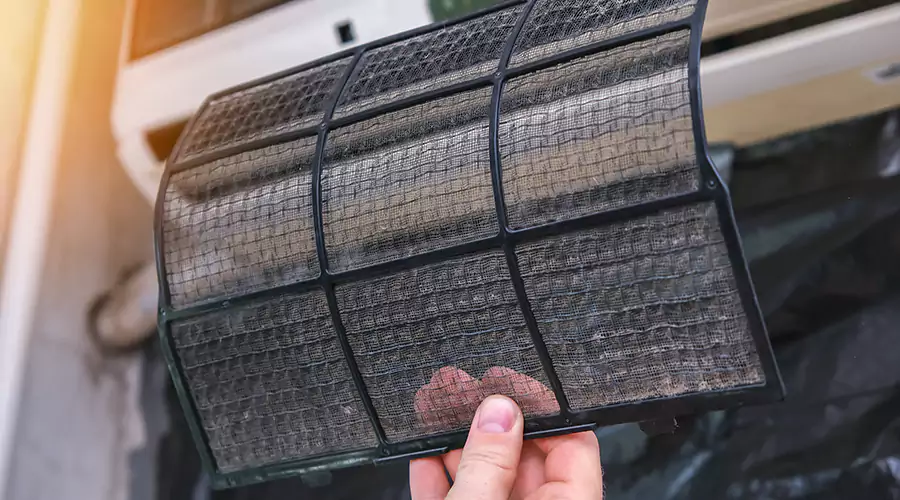
Step 3: Replace or Clean the Air Filters
Dirty air filters can contribute to various issues, including water drainage problems. Here’s how to clean or replace them:
- Remove the Filter: Locate the filter slot, typically near the return air duct, and remove the filter.
- Clean or Replace: If the filter is reusable, wash it with water and let it dry completely before reinstalling it. If it's disposable, replace it with a new one.
- Reinstall the Filter: Place the filter back into the unit and secure it.
Prevention: Regularly change your filters every 1-3 months, depending on usage.
Step 4: Examine the Refrigerant Levels
Low refrigerant levels can lead to frozen coils, resulting in water leaks when the ice melts. If you suspect low refrigerant, it’s essential to call a professional HVAC technician. Here’s why:
- Refrigerant leaks: The refrigerant system is sealed, so if the refrigerant level is low, it indicates a leak that a technician needs to repair.
- Checking refrigerant levels: Only a professional can measure refrigerant levels and add more if necessary.
Step 5: Inspect the Drain Pan
If the drain pan is rusted or cracked, it may not be able to collect and direct the water properly. Here’s how to check:
- Locate the Drain Pan: The drain pan is under the evaporator coils, typically inside the AC unit.
- Check for Damage: Inspect the pan for any cracks, rust, or other visible signs of damage.
- Replace the Pan: If the pan is damaged, replace it with a new one to prevent water from leaking.
Step 6: Ensure Proper Installation
If your AC is improperly installed, it may cause water leakage due to poor drainage. Here’s how to ensure the unit is correctly installed:
- Check the Unit’s Angle: Ensure the AC unit is installed at a slight angle, so the water drains properly.
- Adjust the Position: If the unit is not level, contact a professional technician to adjust the installation.
How Professional AC Services in Dubai Can Help?
Minor difficulties can sometimes be fixed by homeowners, but leaks coming from air conditioning units need expertise for proper AC Repair. You should seek professional help for your air conditioner when water leakage occurs after completing essential maintenance tasks. Here are some reasons why:
| Reason | Explanation |
|---|---|
| Expertise in Diagnosis | Professionals can accurately identify the source of the problem and provide effective solutions. |
| Proper Tools and Equipment | HVAC technicians can access specialized tools for cleaning, repairing, and recharging AC units. |
| Preventive Maintenance | Technicians can perform preventive maintenance to extend the lifespan of your AC unit. |
| Safety | AC repairs and installations require knowledge of electrical systems, ensuring your safety when handled professionally. |
Preventive Measures to Avoid Future Leaks
To prevent future AC water drainage issues, consider taking the following preventive measures:
| Preventive Measure | Action |
|---|---|
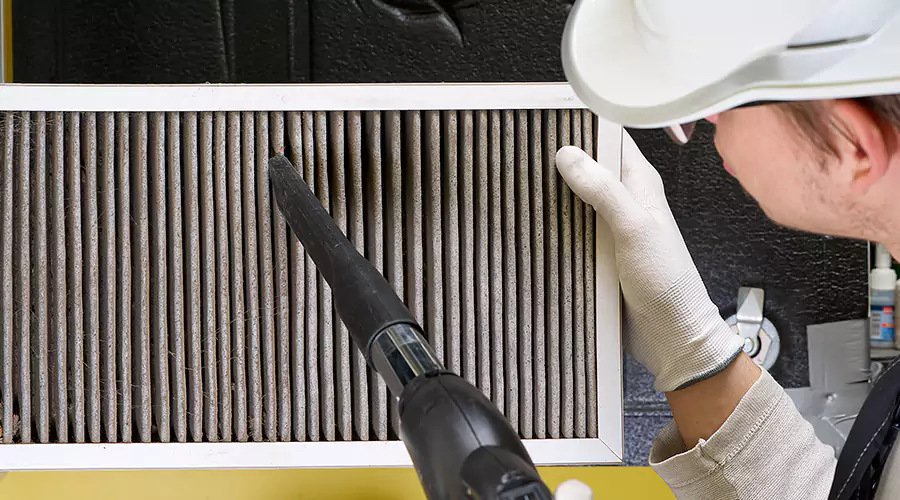
| Regular Maintenance | Schedule annual maintenance to clean and inspect the system. |
| Clean Filters Regularly | Clean or replace air filters every 1–3 months. |
| Inspect Condensate Drain Line | Regularly check for clogs and clean the drain line. |
| Ensure Proper Insulation | Insulate refrigerant lines to prevent condensation. |
| Check the Drain Pan | Inspect the drain pan for cracks or damage every year. |
Conclusion
A broken AC unit in Dubai makes life difficult, but fixing such leaks requires both experienced handling and immediate response. You must identify the source of leakage, which is either from clogged drain lines or frozen coils, or low refrigerant pressure.
System efficiency and cooling performance during Dubai's hot summer depend on routine maintenance along with immediate unit repair. Seek professional help if you need assistance with resolving a problem because they will handle it safely and effectively.