

Residential homes experience drainage clogs at some point. Drain blockages that happen in bathroom plumbing and kitchen drains will create interruptions to your normal routines. A plumbing snake functions as one of the most dependable solutions to unclog pipes, which people know as a drain auger or plumber’s snake.
A properly applied plumbing snake can automatically remove debris, including hair and grease, before reestablishing the drainage pipes, allowing you to avoid expensive plumbing repair costs.
What is a Plumbing Snake?
Plumbing snakes are flexible tools with a slender design that features coils for clearing drains. Drain clogs can be removed through the drain pipes by inserting a tool that manually or mechanically breaks the blockage. A Drain Snake represents one tool, while a toilet auger and a sewer snake are other tools, differing in size and purpose.
Types of Plumbing Snakes
| Type | Best For | Length |
|---|---|---|
| Handheld Auger | Small sink & tub clogs | 15–25 ft |
| Toilet Auger | Toilet drain clogs | 3–6 ft |
| Drum Auger | Medium-depth clogs (kitchen sinks) | 25–50 ft |
| Manual Drain Snake | Light clogs in sinks or bathtubs | 15–25 ft |
| Longer Manual Models | Deeper clogs in longer drain pipes | Up to 50 ft |
| Closet Auger | Toilet-specific clogs (protected bowl) | Short, rigid design |
| Electric Drain Snake | Heavy-duty pipe blockages (sewer lines) | 50–100 ft |
| Heavy-Duty Sewer Snake | Large mainline issues | 50–100 ft (or more) |
Drain snake selection depends on both the blockage severity and its drain position.
When and Why You Need a Drain Snake?
Signs of a Clogged Drain:
- Gurgling sounds from drains
- Water draining slowly
- Foul odors coming from pipes
- Overflow in toilets or bathtubs
When you see these signs, it's time to grab a snake tool for Plumbing and get to work!
Use a Plumbing Snake:
- To unclog a toilet with deeper blockages
- To unclog a shower drain from hair buildup
- To remove hair from the drain pipes in bathtubs
- To snake a slow-draining kitchen sink
- For DIY drain cleaning without harsh chemicals

Plumber’s Snake vs. Chemical Cleaners
Chemical solutions may yield short-term results, but they often damage pipes and harm the environment. A plumber’s snake provides a more effective and sustainable solution.
Tools and Supplies you’ll need
Before you get started, gather the following tools:
- Drain snake (manual or powered)
- To catch any mess, use old towels and a bucket.
- Protective gloves
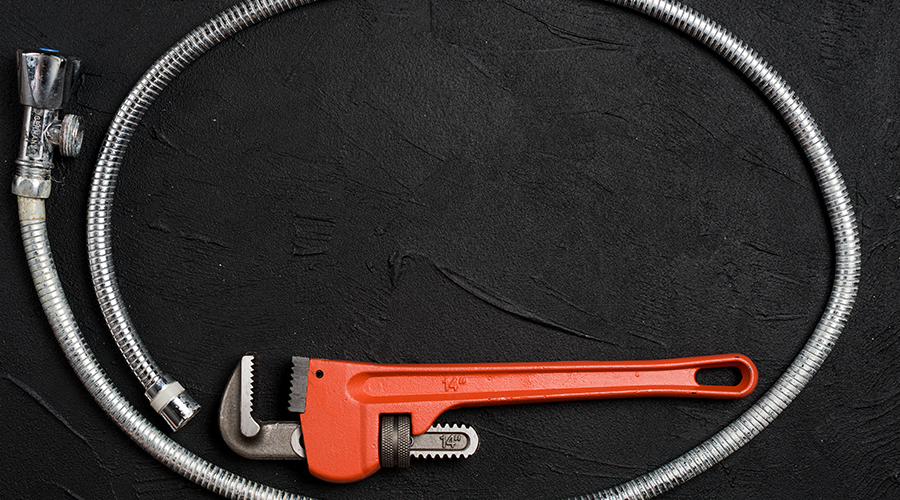
- Pipe wrench (if needed to remove the drain trap)
- Flashlight
- Protective goggles
This gear helps you work efficiently and avoid injuries or contact with bacteria.
How to Use a Plumbing Snake
Step 1: Prepare the Area
Cover the drain hole with towels to prevent spillage. To keep your hands safe from debris, put on gloves.
Step 2: Insert the Snake into the Drain
The plumbing snake cable should be extended and carefully inserted into the drain. Rotate the handle clockwise to assist the auger in navigating bends in the pipe.
Step 3: Locate the Clog
When you feel resistance, you’ve likely reached the clogged area. Avoid forcing the snake, as this can scratch pipes.
Step 4: Break Up or Retrieve the Blockage
Rotate the snake to either
- Grasp and remove the material, including hair and oil.
- Break apart the clog (soap scum, food waste).
Step 5: Remove the Snake and Flush the Drain
Retract the drain auger slowly to clear the cable of any obstructions. Run hot water for 1-2 minutes to clear remaining residue.
Step 6: Test the Drain
Check if water flows freely. If not, repeat the process or try a different type of drain snake.
How to Snake and Unclog a Drain Depending On Your Fixture: Step-by-Step Instructions
1. How to Snake and Unclog a Kitchen Sink
Remove the sink strainer or stopper. Insert the manual drain snake or electric drain snake into the drain. Turn the handle or activate the motor slowly. Push gently when resistance is felt. Pull the snake out and run hot water to clear the clogged drain.
Pro Tip: Always wear gloves and have a bucket nearby when snaking kitchen sinks.
2. How to Snake and Unclog a Bathtub or Shower Drain
Remove the tub drain cover or hair trap. Use a drain auger to reach deep into the pipe. Turn the crank or motor to break up or remove hair from the drain. The Bathroom Drain may be cleaned by cleaning the auger and flushing with water. One of the main causes of bathtub blockages is hair. Shower drains can generally be snaked and unclogged using a manual drain snake.
3. How to Use a Toilet Auger to Unclog a Toilet
Push the toilet auger down the bowl until its rubber sleeve reaches the porcelain surface. Using the handle turn it to push the cable through the drainpipe. Your tooling operation should stop when the obstruction breaks apart. Flush the toilet and repeat if necessary. This is the safest way to unclog a toilet without causing scratches.
4. How to Use a Drain Auger for Main Lines
For more serious clogs in the main sewer line:
- Use a sewer snake or electric drain snake.
- Locate the main clean-out plug outside or in the basement.
- Insert the cable and slowly feed it into the line.
- Continue to feed the auger until the obstruction is cleared.
This technique is ideal for unclogging mainline issues and resolving slow drains that affect multiple fixtures.
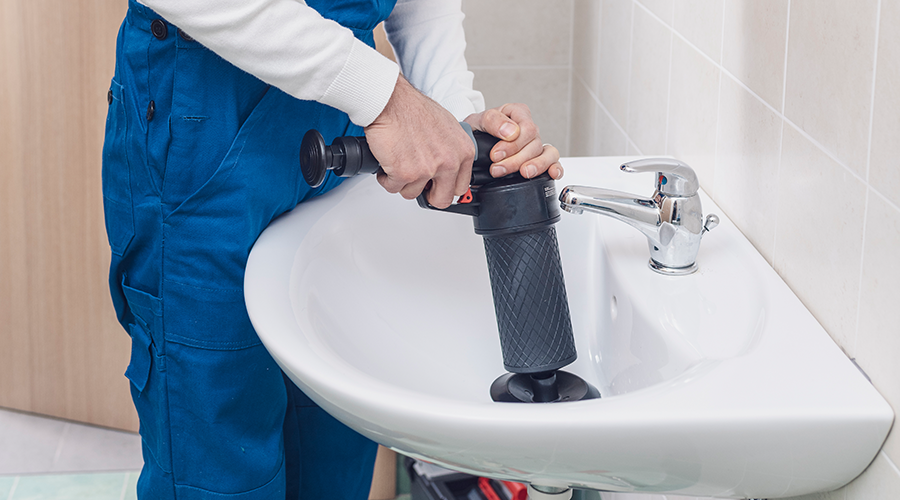
Tips by Fixture Type
| Fixture | Tool to Use | Notes |
|---|---|---|
| Toilet | Toilet Auger | Designed to go through the toilet trap easily |
| Shower/Bathtub | Manual Drain Snake | Great for removing hair from drain clogs |
| Kitchen Sink | Manual or Electric Drain Snake | Remove the P-trap before inserting the snake |
| Main Sewer Line | Sewer Snake | Best used by professionals or with care |
Best Practices for Using a Plumbing Snake
- Avoid forcing the snake – you could damage pipes.
- Always clean the snake tool after use.
- Wear rubber gloves and old clothes.
- Run water after snaking to ensure complete clearance.
- Don't forget regular maintenance to avoid buildup.
Electric vs. Manual Drain Snake: Which Is Better?
| Feature | Manual Drain Snake | Electric Drain Snake |
|---|---|---|
| Power | Hand-operated | Motorized |
| Cost | Budget-friendly | More expensive |
| Best For | Light kitchen or tub clogs | Tough or main line clogs |
| Skill Level | Beginner-friendly | Requires caution |
Common Mistakes to Avoid
- Using the wrong type of snake (e.g., don’t use a toilet auger in a sink).
- Skipping proper cleaning and storage.
- Over-cranking or over-inserting, which may damage pipes.
- Over-rotating can jam the snake or crack the pipes.
- Forcing the tool through the clog instead of gently navigating.
- Not checking for deeper issues (tree roots, damaged pipes).
When to Call a Professional Plumber
While a plumbing snake is great for DIY fixes, some situations require expert help:
- Multiple clogged drains indicate a problem with the sewer line system.
- Drains continue to flow slowly, even after pipe-clearing procedures using snake tools, which may indicate the presence of tree roots or collapsed drainage pipelines.
- Drain odors reveal evidence of a broken pipe.
- A licensed plumber utilizes advanced tools, such as video inspection cameras, to diagnose hidden problems.
DIY vs. Hiring a Plumber
| DIY Snaking | Calling a Plumber |
|---|---|
| Budget-friendly for minor clogs | Essential for major or recurring clogs |
| Requires basic tool handling skills | Professional tools and inspection cameras |
| Quick fix for hair and food clogs | Needed for unclogging main lines and fixing pipe damage |
If you’ve tried to snake a kitchen sink, tub, or toilet and the issue persists, it might be time to call in a professional.
Conclusion
Homeowners should learn how to operate plumbing snakes, as they provide essential benefits in caring for their plumbing systems. A suitable snake tool for plumbing enables homeowners to efficiently resolve both slow drains and stubborn toilet clogs, saving time and money. Your ability to clear toilet clogs and unclog drains and main lines depends on a basic understanding and enough time spent on the task.