
Warning Signs of a Blocked Sewer Line
It's 7 a.m. You flush the toilet, and instead of the usual swirl, water rises in your shower drain instead. Then the kitchen sink starts gurgling. Then the smell hits you.
This isn't a simple clog. This is your main sewer line trying to tell you something.
Think of your main sewer line as the highway of your home's plumbing. Every sink, toilet, tub, and floor drain feeds into it, and it carries everything out to the municipal system. When one drain acts up, it's usually a local traffic jam. But when multiple drains back up at once, the highway itself is blocked — and that's a very different problem.
Catching the signs early is the difference between a same-day fix and a full-blown sewage disaster in your living room. Here's exactly what to watch for.
Section 1: The Major Signs of a Sewer Line Blockage
A single slow drain usually means a local clog. A sewer line blockage shows up differently — and usually in more than one place at once. Here's what to look out for:
-
Multiple fixtures acting up at the same time. If flushing the toilet makes water rise in the shower, or running the washing machine causes the bathroom sink to gurgle and bubble, that's a classic sign the blockage is downstream in the main line, not in one isolated pipe.
-
Gurgling noises from toilets or floor drains. That odd bubbling sound after you flush or drain water isn't your plumbing being noisy — it's trapped air escaping because something is blocking the flow further down the line.
-
A persistent sewage smell around the house or yard. A whiff of sewage near a drain, in the basement, or outside near your yard usually means wastewater isn't moving the way it should, and gases are escaping where they shouldn't be.
-
Wet patches or unusually green grass over your sewer line. If there's a soggy, spongy patch of lawn — or a stretch of grass that's suspiciously greener and lusher than the rest of your yard — it could mean sewage is leaking underground and fertilizing the soil above it.
If you're noticing two or more of these together, it's time to stop guessing and start acting.
Section 2: What Causes These Blockages?
Main sewer line blockages don't happen overnight. They usually build up gradually from one (or more) of these culprits:
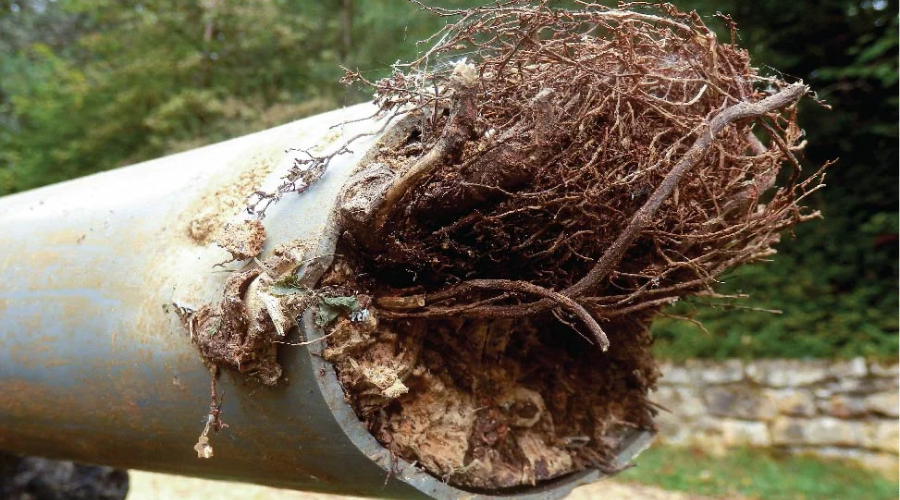
- Tree root intrusion. Roots are drawn to the moisture inside sewer pipes and can work their way through tiny cracks or joints, slowly choking the pipe from the inside out.
- Grease buildup. Cooking fat and oil poured down the sink don't just disappear — they cool, harden, and cling to pipe walls, narrowing the passage over time.
- Flushing improper items. Wipes, sanitary products, paper towels, and other "flushable" items that aren't actually flushable are one of the most common causes of hard, stubborn blockages deep in the line.
Because these blockages sit further down the system than a typical clog, they often need more than a bottle of drain cleaner to fix. This is exactly the kind of job best left to professional drain repair services in Dubai, where the right equipment and experience make all the difference.
Section 3: What to Do Immediately (Sewer Line Emergency Plan)
If you're seeing multiple warning signs at once, don't wait it out. Here's your immediate action plan:
- Turn off the main water supply. This stops more wastewater from entering a system that's already struggling to drain, and reduces the risk of a backup flooding your floors.
- Do not flush any toilets or run any water. Every flush or tap you run adds pressure to a blocked system and increases the chance of sewage backing up into your home.
- Call a verified professional immediately. This is not a DIY job. A standard drain snake is built for small, local clogs — it simply can't reach or clear a blockage sitting deep in a main sewer line, and using one incorrectly can even push the clog further in or damage the pipe.
Main sewer lines need specialized tools like motorized augers or hydro jetting equipment, plus a trained eye to diagnose exactly where the blockage sits. Trying to handle it yourself usually means wasted time — and a bigger mess to clean up.
Section 4: Why Vetted Professionals Save You Money
It's tempting to call the first number you find or try a quick fix yourself to save on the callout fee. But with a main sewer line issue, that shortcut almost always costs more in the long run.
Verified, experienced plumbers bring camera inspection tools that pinpoint the exact location and cause of the blockage before they start work. That means no guesswork, no unnecessary digging, and no surprise charges halfway through the job. They also know how to clear the line without damaging the pipe further, which protects you from repeat visits and repeat bills.
Compare that to an unverified handyman who might clear the surface issue but miss the root cause (sometimes literally). A few weeks later, you're dealing with the same backup — except now there's already been some water damage to your flooring or walls. Choosing a vetted, top-rated professional from the start isn't just about doing the job right; it's about protecting your home's value and your wallet.
And while your plumbing is being sorted, it's worth remembering that home maintenance rarely happens in isolation. If your AC has also been acting up lately, it's worth booking trusted AC repair services at the same time and knocking out two problems in one visit.
Conclusion
A blocked sewer line rarely announces itself with just one symptom — it's the combination of slow, simultaneous drains, gurgling sounds, bad smells, and soggy patches in your yard that tells the real story. Catch these signs early, and you're looking at a straightforward repair. Ignore them, and you're looking at sewage backup, water damage, and a much bigger renovation bill.
The one tip worth remembering: when in doubt, don't flush it out. If two or more fixtures in your home are misbehaving at once, shut off your water and call a professional before you run another drop through the system.
Don't wait for a full backup to take action. Find a top-rated, verified local plumbing expert today and get your sewer line sorted before a small warning sign turns into a costly home renovation.