
How to Pack Fragile Items Safely When Moving in Dubai
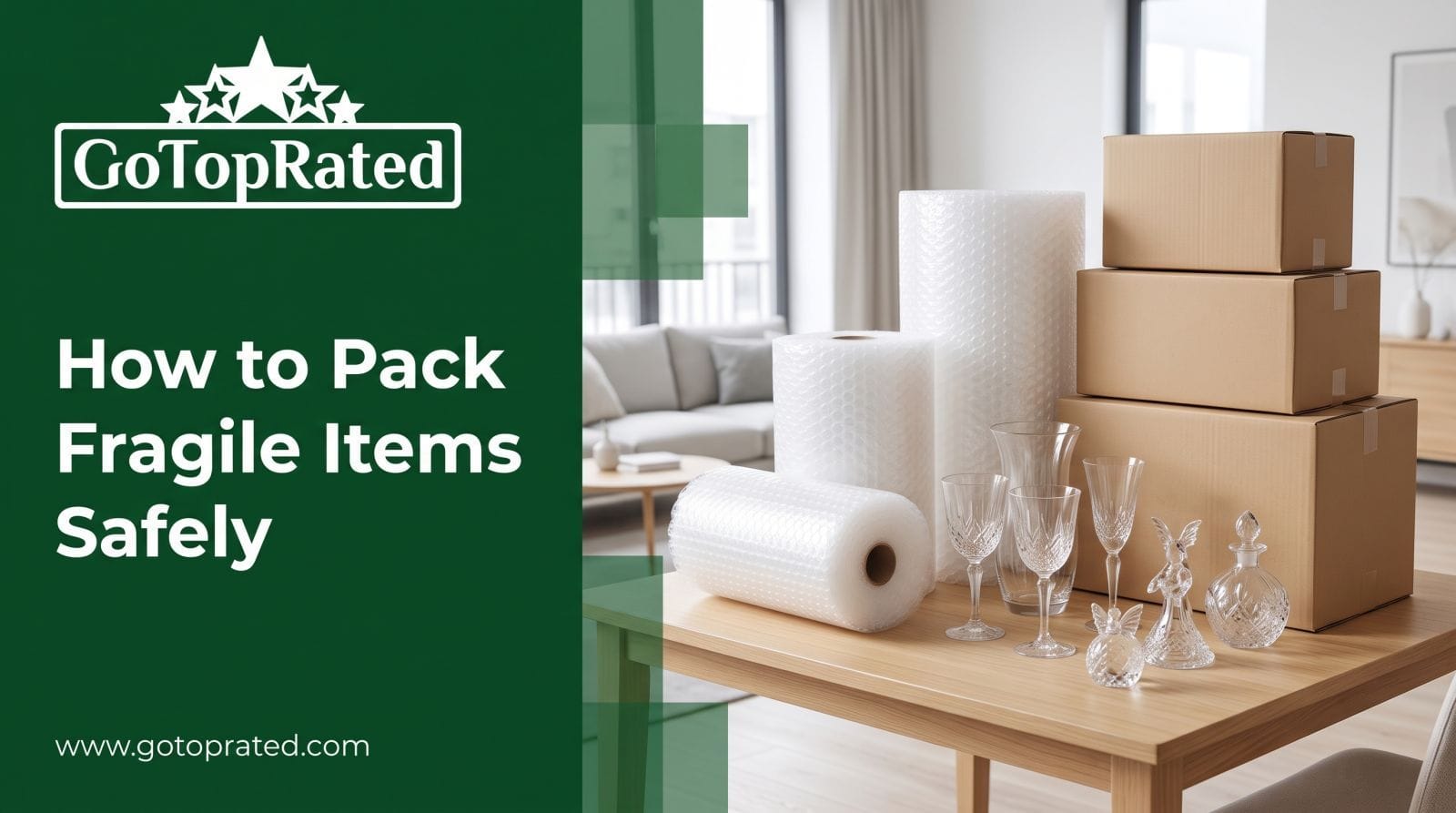
You open a moving box at your new place, excited to start unpacking, and instead find a set of crystal glasses in pieces. Or worse — you pull back the wrapping on your TV and see a spiderweb crack across the screen. It's one of the worst feelings of moving day, and it's almost always preventable.
Fragile items don't break randomly. They break because of predictable mistakes — the wrong box, not enough padding, items shifting around during transit on Dubai's roads, or one too many boxes stacked on top of a box that couldn't handle the weight. This guide walks through exactly how to pack the items that matter most, so nothing ends up in pieces on the other end.
The Essential Packing Supplies You Actually Need
Before you tape a single box shut, make sure you actually have the right materials on hand. Skimping here is where most breakages start:
- Heavy-duty, double-walled corrugated boxes — standard single-wall boxes flex and crush too easily under weight or pressure
- High-density bubble wrap — thin, cheap bubble wrap doesn't absorb impact the way it should for genuinely fragile items
- Unprinted newsprint packing paper — used for cushioning and filling gaps without the ink transfer you get from old newspapers
- Heavy-duty packing tape — a proper tape gun makes sealing boxes faster and far more secure than standard household tape
- Fragile sticker labels — a small step that makes a real difference in how carefully movers and elevator staff handle each box
Trying to make do with random boxes from the supermarket and leftover grocery bags for padding is one of the most common — and most avoidable — causes of moving day damage.
Step-by-Step Guide for Specific Fragile Items
Different items need different techniques. Here's how to handle the categories that cause the most heartbreak when they go wrong.
Kitchenware & Glassware
- Bundle cups and mugs individually in packing paper, then group two or three together with an extra outer wrap layer for reinforcement
- Wrap plates vertically, not flat — plates stacked flat in a box concentrate pressure and crack far more easily than plates stored on their edge, like records in a crate
- Fill every internal void in the box with crumpled paper — glassware that can shift even slightly during transit is glassware that eventually chips or cracks
The goal is zero movement inside the box. If you shake a packed box and hear anything shifting, it's not ready yet.
Mirrors & Framed Artwork
- Form an "X" across the glass using painter's tape — this doesn't prevent breaks outright, but it holds glass fragments together if a crack does happen, preventing a bigger mess and reducing injury risk
- Use corner protectors on all four corners of framed pieces, since corners take the brunt of impact during handling
- Use proper picture-moving boxes sized to the item, rather than wrapping a mirror loosely and hoping for the best in transit
Mirrors and glass-framed art are some of the most commonly damaged items in a move simply because people underestimate how much flex a "flat" item actually experiences when it's shifting around in a truck.
Electronics & TVs
- Use the original box whenever possible — manufacturer packaging is specifically engineered for that exact item's weight distribution and shock points
- If the original box isn't available, use heavy bubble wrap with anti-static foam, never regular packing paper directly against screens or circuit boards
- Protect the screen specifically with a dedicated layer of padding, since screens are the single most expensive point of failure on any electronic item
It's worth applying the same "don't wing it" mindset to appliances that are trickier to handle, like your AC unit if you're taking a portable or split system with you. Improper disconnection or transport can damage internal components just as easily as dropping a TV — which is exactly why it's worth having trusted AC repair services handle the disconnection and reinstallation rather than attempting it yourself mid-move.
The "Golden Rules" of Box Loading & Weight Distribution
Even perfectly wrapped items can still get damaged if the box itself is loaded wrong. Keep these rules in mind:
- Heavy items go at the bottom, lighter items on top — reversing this crushes whatever's underneath
- Zero empty space inside the box — any gap is room for items to shift and collide during transit, especially over Dubai's speed bumps and highway stretches
- No shaking test, no seal — if you can hear or feel movement when you gently shake a packed box, add more padding before taping it shut
- Label boxes on all four sides, not just the top — movers stacking boxes in a truck often can't see the top label, and a side label is what actually gets a box treated with care
These small details are the difference between a box that survives a bumpy elevator ride and one that doesn't.
Should You DIY or Hire Professional Packers?
DIY packing is doable for a small apartment with minimal fragile items and a free weekend to dedicate to it. But for anything beyond that, the math tends to favor hiring professionals.
Professional packers bring commercial-grade crates specifically designed for fragile transport, along with the experience to know exactly how much padding a given item actually needs — something that's hard to judge correctly on your first attempt. Most reputable moving companies also offer transit insurance, meaning if something does get damaged despite everything, you're not simply out the cost of replacing it.
Weigh it against your own time too. Properly packing a full apartment's worth of glassware, electronics, and framed decor can easily eat up an entire weekend when done correctly — time most people would rather spend on literally anything else during an already stressful move.
Conclusion
Breakage during a move is almost always preventable with the right materials, the right technique, and a little patience with the details. Taking the time to pack properly — or hiring someone who already knows how — saves you the cost, hassle, and disappointment of replacing items that mattered to you.
If packing everything yourself sounds like more stress than it's worth, you don't have to. Head over to GoTopRated to find top-rated, vetted movers and packers in Dubai who'll handle the fragile stuff properly, so nothing ends up in pieces.