
Low Airflow in Your AC?

Top Causes and Solutions for Dubai Residents
The intense heat of Dubai frequently leads to serious AC airflow reduction, which causes multiple problems regarding comfort levels and energy efficiency, together with system health deterioration. The main factors leading to low airflow in air conditioners are clogged filters, together with blocked vents, dirty coils, and leaky ducts, primarily due to accumulated dust from regular operation. Letting this problem persist will result in increased expenses and ruinous system deterioration. This guide explains the sources of decreased airflow and provides local climate solutions that enhance your air conditioner’s performance while maintaining cool comfort.
Why Is Strong Airflow So Important?
We need to understand the importance of airflow before discussing its causes. Airflow is the heartbeat of your AC System. The process of air conditioning includes both temperature reduction and effective distribution of cold air throughout your house. Without proper airflow:
- Your home will not cool evenly.
- Humidity levels will rise.
- The compressor may overheat.
- Energy consumption will increase.
- Your AC’s lifespan may be shortened.
- Overworked AC units
- Ice forming on evaporator coils
- The AC is running longer to reach the set temperature
The necessity of air conditioning in Dubai becomes an urgent matter when the AC works poorly, since this city relies heavily on its air conditioning system.
Common Causes of Low AC Airflow in Dubai
The most common causes of airflow difficulties in Dubai’s climate include these problems, as shown below:
| Cause | Description | Why It’s Common in Dubai |
|---|---|---|
| Dirty Air Filters | When filters become restricted, they restrict air flow and make the system work excessively. | Dubai’s dusty environment leads to faster buildup. |
| Clogged or Leaky Ducts | Holes or blockages in the ductwork reduce air pressure. | Older buildings or improper installations often have duct issues. |
| Frozen Evaporator Coils | Ice buildup reduces airflow drastically. | Caused by low refrigerant or poor maintenance. |
| Fan or Blower Problems | A broken or weak fan motor will result in reduced airflow. | Continuous usage in summer wears out components faster. |
| Thermostat Issues | Failure of the thermostat prevents the AC system from receiving proper start commands. | Inconsistent power supply or outdated thermostats can be a problem. |
| Undersized AC Unit | A small-sized cooling system lacks enough power to expand air through extensive areas. | Some homes have units that don’t match the room size. |
| Blocked or Closed Vents | The air flow gets restricted when furniture items or dust block the air vents. | Lack of awareness or poor interior planning can cause this. |
Dirty Air Filters
This is the #1 reason for weak airflow in residential and commercial units.
Cause: Dust, sand, and pollutants from the desert environment clog filters quickly.
Signs:
- Weak airflow from vents
- Visible dust on filters
- Decreased cooling efficiency
- Strain on the blower motor
- Higher energy bills
Solution: Check your filters monthly and replace them every 1–3 months during heavy use (May–September).
| Filter Type | Frequency of Replacement |
|---|---|
| Standard | Every 1-3 months |
| HEPA | Every 3-6 months |
Tip: Opt for HEPA filters or filters designed for high-dust environments.
Clogged or Leaky Ducts
Leaks or obstructions in ductwork mean air escapes before it reaches your room.
Signs:
- Some rooms are colder or hotter than others
- Whistling or rattling sounds from vents
- High energy bills
| Issue | Result |
|---|---|
| Duct leaks | Air escapes before reaching your room |
| Duct blockage | Reduces the air volume flowing through |
Solution:
- Have your ducts professionally inspected and cleaned.
- Seal leaks using foil tape or mastic sealant.
- Consider duct replacement in older properties.
Local Insight: In some Dubai villas, especially those over 10 years old, ductwork was not installed with efficiency in mind.
Clogged or Frozen Evaporator Coils
The cooling ability of your AC system is restricted when your evaporator coils become dirty or develop ice. A lack of proper maintenance or refrigerant problems usually leads to this condition.
Solution: Check for airflow restrictions that appear from a clogged filter while the unit remains powered off. Contact qualified technicians for evaporator coil cleaning while performing refrigerant inspection.
Warning: Operating the AC while the coils remain frozen poses a serious risk to your system. Long-term compressor damage results from such occurrences.
Fan or Blower Motor Issues
The blower fan circulates cool air. If it's weak, dirty, or faulty, airflow suffers.
Symptoms:
- Humming or rattling noises
- Air is barely coming out of the vents
Common Issues:
- Fan blades covered in grime
- Motor bearing failure
- Belt damage (in older systems)
Solution:
- Clean blower components during annual servicing.
- Replace faulty motors or belts.
- Listen for buzzing or humming sounds, which indicate fan problems.
Thermostat Malfunction
If your thermostat can’t communicate properly with your AC, it may cycle irregularly or not engage the fan.
Cause: Faulty thermostats or damaged wiring can reduce fan speed.
Solution:
- Replace batteries.
- Calibrate or upgrade to a smart thermostat.
- Place it away from direct sunlight or drafts.
Tip:
- Set the fan mode to "Auto" instead of "On."
- Ensure temperature settings match your comfort level.
- Smart thermostats like the Nest or Ecobee can help optimize airflow and reduce energy use.
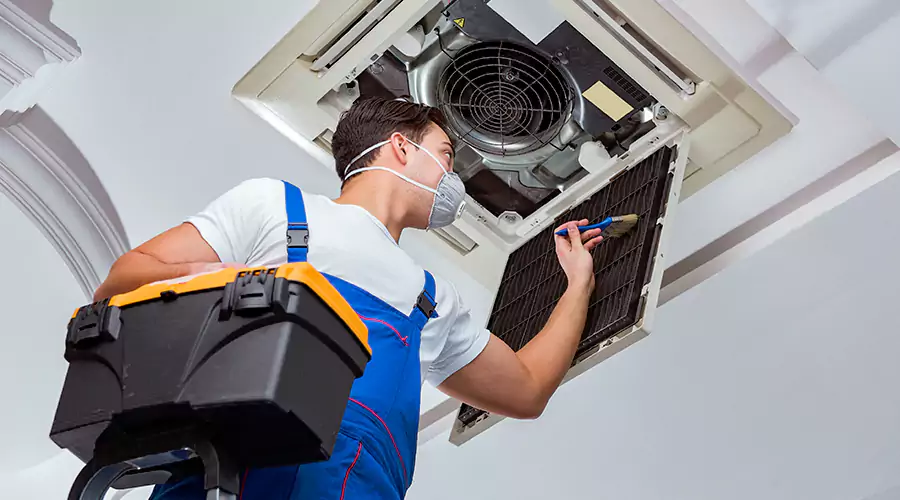
Wrong AC Unit Size
An AC that’s too small won’t push enough air to cool larger spaces. Conversely, an oversized unit cools quickly but doesn't circulate air long enough, causing stale or uneven cooling.
Solution:
- Have an HVAC professional perform a load calculation.
- Consider upgrading if your system is more than 10 years old and underperforming.
Blocked or Closed Air Vents
Sometimes, the problem is as simple as a blocked vent. Dubai’s older villas and buildings often have duct systems that haven’t been cleaned in years.
- Cause: Accumulated dust, debris, and even small pests
- Impact: Air is obstructed before it reaches the room
Solution: Do a quick walkthrough of your home and ensure all vents are fully open and unobstructed.
Reminder: Even decorative grilles or dusty covers can choke airflow.
Refrigerant Issues: A Silent Airflow Killer
If there’s a leak in your refrigerant lines, your AC can’t cool effectively. You might feel warm air or very weak airflow.
Cause: Leaks due to corrosion or manufacturing defects.
Impact: Reduced cooling capacity and airflow
Warning Signs:
- Hissing noises
- Ice on copper lines
- AC is running constantly, but not cooling
Solution: This is not a DIY fix. Contact a licensed HVAC Technician for HVAC Services to check and recharge refrigerant levels.
Preventive Maintenance: The Long-Term Solution
Preventing low airflow starts with regular care. Here’s a basic maintenance checklist for Dubai residents:
| Task | Frequency | Notes |
|---|---|---|
| Replace/Clean Filters | Monthly (summer), Every 2-3 months (winter) | More frequent in dusty areas |
| Duct Inspection | Yearly | Especially in older villas or apartments |
| Coil Cleaning | Annually | Schedule before peak summer |
| Blower Motor Check | Annually | Ensure the fan works at optimal speed |
| Refrigerant Level Check | Annually | Essential to prevent coil freeze |
| Thermostat Calibration | Every 1-2 years | Or upgrade to a smart model |
When to Call a Professional in Dubai
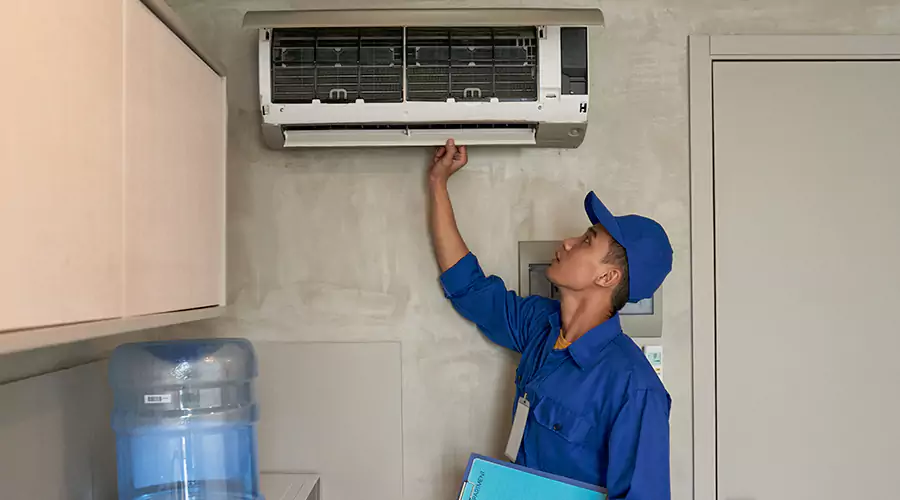
Simple responsibilities include filter replacement and vent clearance maintenance, which consumers can accomplish independently. Professional HVAC Technicians operating in Dubai should handle all cases involving refrigerant issues, along with electrical faults and duct damage, and recurring low airflow problems.
Pro Tip: Local companies that operate in Dubai’s climate should always be your preferred choice when selecting AC maintenance providers. The weather environment in Dubai requires specific AC models, which become worse when maintenance steps are conducted incorrectly.
Final Thoughts
People should never ignore low airflow from their AC system when living in Dubai because of its excessive heat levels exceeding 45°C. Regular maintenance, together with awareness, can solve or prevent all causes that lead to this problem. Wait to replace your air conditioner until peak summer arrives with a complete system failure.
Annual inspections should be conducted, while filters require regular cleaning, and you should upgrade your components when they need replacement. The cost of scheduled maintenance proves to be more cost-effective than dealing with urgent repair needs or system replacement.