
How to Fix a Leaking Kitchen Sink Pipe Under Your Cabinet
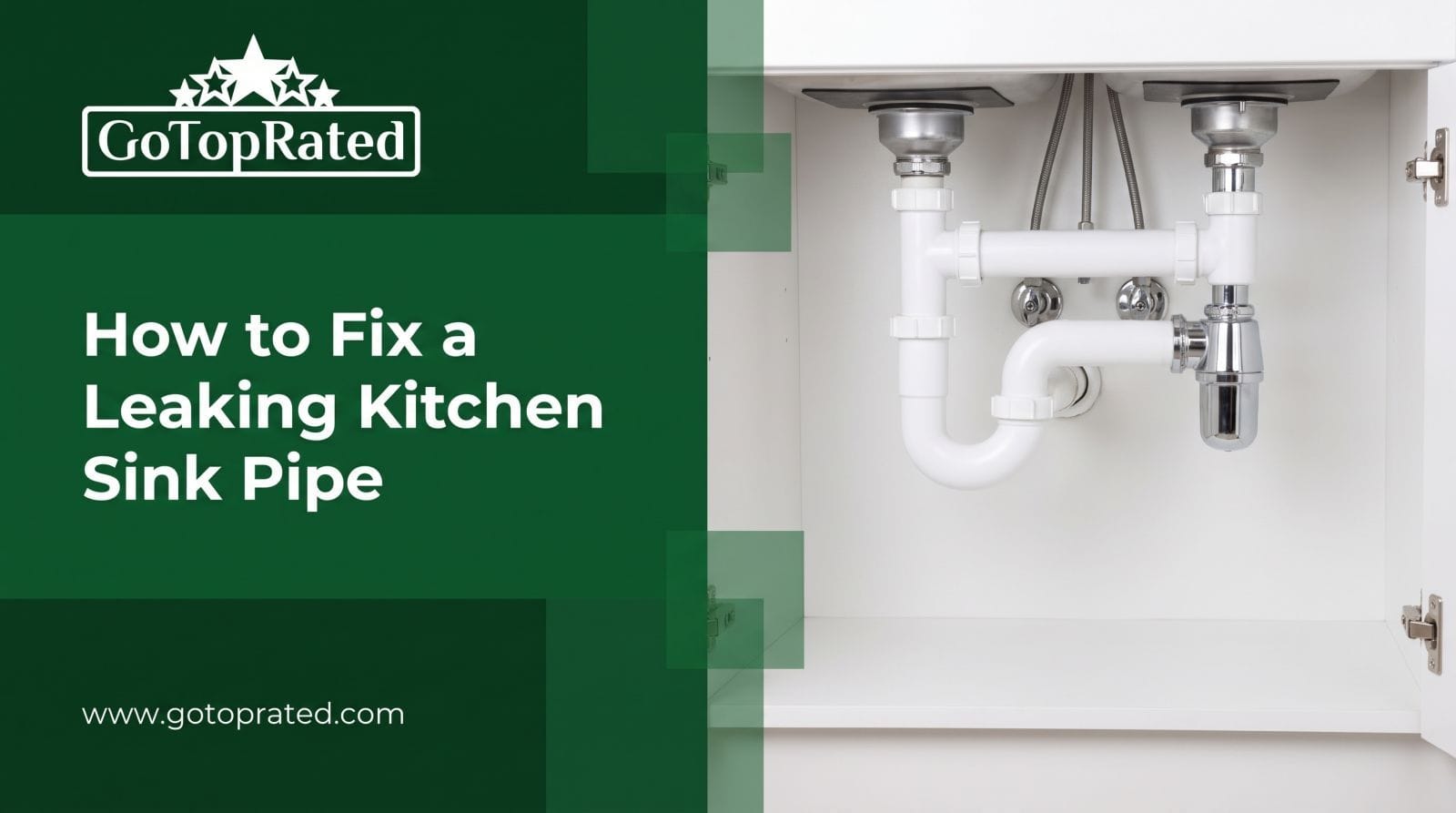
You reach into the cabinet under your kitchen sink for a cleaning spray and your hand lands on something damp. A quick look reveals soggy kitchen towels, a puddle collecting at the base of the cabinet, or wood that's gone soft and swollen along the bottom shelf. It's not a dramatic flood, but it's exactly the kind of slow, quiet leak that does real damage the longer it goes unnoticed.
The good news is that under-sink leaks are usually straightforward to diagnose and fix, as long as you know what to check and in what order. This guide walks through exactly how to pinpoint the source and stop it before it destroys your cabinetry.
Step 1: Pinpoint the Source of the Leak
Before fixing anything, you need to know exactly where the water is coming from. A leak that looks like it's "everywhere" under the sink is almost always coming from one specific point — you just need to isolate it.
- Clear everything out from under the sink and dry the area completely with towels
- Line the base of the cabinet with dry paper towels or newspaper
- Run water through the sink for a minute or two, using both hot and cold, and let the drain fully cycle
- Check the paper towels for the first sign of dampness — that location tells you where the leak actually starts
Common culprits, from most to least likely:
- The sink basket strainer seal, where the drain opening meets the sink basin — plumber's putty or silicone here degrades over time and starts letting water seep through
- Loose slip nuts on the P-trap, the curved pipe section under the sink — these can loosen gradually from regular use and vibration
- Worn-out rubber washers or gaskets inside the pipe joints, which harden and crack with age, losing their watertight seal
- Corroded braided water supply lines, the flexible hoses feeding water to the faucet, which can develop pinhole leaks as the metal braiding deteriorates
Once you know which of these is leaking, the fix becomes a lot more specific and a lot less guesswork.
Step-by-Step Fixes for Common Under-Sink Leaks
Here's how to handle each of the most common leak sources.
Fixing Loose P-Trap Nuts
- Place a bucket under the P-trap before touching anything, since there will be residual water inside
- Locate the slip-joint nuts connecting the P-trap to the drain pipes on either side
- Hand-tighten each nut firmly — these are designed to seal with hand pressure plus a quarter turn, not brute force
- Run water through the sink and check the same joints for continued dripping
If hand-tightening doesn't fully stop the leak, the washer inside that joint may need replacing rather than the nut needing more torque.
Replacing Damaged Rubber Washers
- With the bucket still in place, unscrew the slip-joint nuts fully and separate the P-trap from the pipe
- Remove the old rubber washer from inside the joint and inspect it — cracking, flattening, or stiffness are all signs it's failed
- Clean out any accumulated debris or gunk from inside the pipe fitting before reassembling
- Insert a new washer of matching size, reconnect the joint, and hand-tighten the nut back into place
- Run water and check for leaks at the reassembled joint
Rubber washers are inexpensive and widely available, making this one of the more satisfying DIY fixes when it resolves the leak completely.
Resealing the Sink Strainer
- Remove the sink strainer from above by loosening the mounting nut underneath
- Scrape away all old plumber's putty or silicone residue from both the strainer and the sink opening
- Clean the area thoroughly and let it dry completely
- Apply a fresh, even bead of plumber's putty or silicone caulk around the strainer's underside
- Reinsert the strainer, press firmly to create a seal, and tighten the mounting nut from below
- Wipe away any excess putty that squeezes out around the edge
Let the seal cure for the time specified on the product before running water, to give it a proper chance to set.
What NOT to Do When Repairing Sink Pipes
A couple of common shortcuts tend to create bigger problems than the original leak:
- Don't over-tighten plastic PVC nuts with a heavy wrench — these fittings are designed for hand-tight pressure, and forcing them further with tools frequently cracks the plastic threads, turning a simple leak into a part that needs full replacement
- Don't rely on duct tape as a permanent fix — it might stop a drip for a day or two, but it degrades quickly under constant moisture and isn't a real seal; treat it as a stopgap at most, never a solution
Both of these shortcuts tend to cost more time and money in the end than doing the repair properly from the start.
If you've worked through the leak and it's coming from somewhere deeper in the drain line rather than the visible fittings under your sink, that's often a sign the issue extends beyond a simple washer or nut. Professional drain repair services in Dubai can properly inspect and clear blockages or damage further down the line that a basic under-sink fix won't reach.
When to Call a Certified Plumber
Some under-sink issues go beyond a DIY fix, no matter how carefully you follow the steps. Call in a certified plumber when:
- The leak persists after replacing washers and tightening every visible connection
- You notice a broken or cracked main drain stub coming out of the wall itself
- There's a blockage further down the wall-mounted drain pipe that's causing backup pressure at the joints
- The leak keeps recurring at the same spot despite repeated repairs, suggesting a deeper alignment or pipe damage issue
These situations usually require specialized tools and pipe-fitting experience that go beyond a basic home toolkit, and attempting to force a fix can end up causing more damage to the wall-mounted plumbing.
Conclusion
A little bit of early inspection under your kitchen sink goes a long way. Catching a leak while it's still just a damp paper towel, rather than months of silent dripping, is what saves your cabinetry from rot, swelling, and the mold growth that comes with prolonged moisture exposure in an enclosed space.
If you've worked through the checks above and the leak is still there, don't keep guessing. Head over to GoTopRated to find top-rated, background-checked plumbers in Dubai who can properly diagnose and fix it.