
How to Fix a Leaking Kitchen Sink Pipe
You reach under the sink for the dish soap, and your hand lands in a puddle. Not exactly the surprise you wanted before your morning coffee.
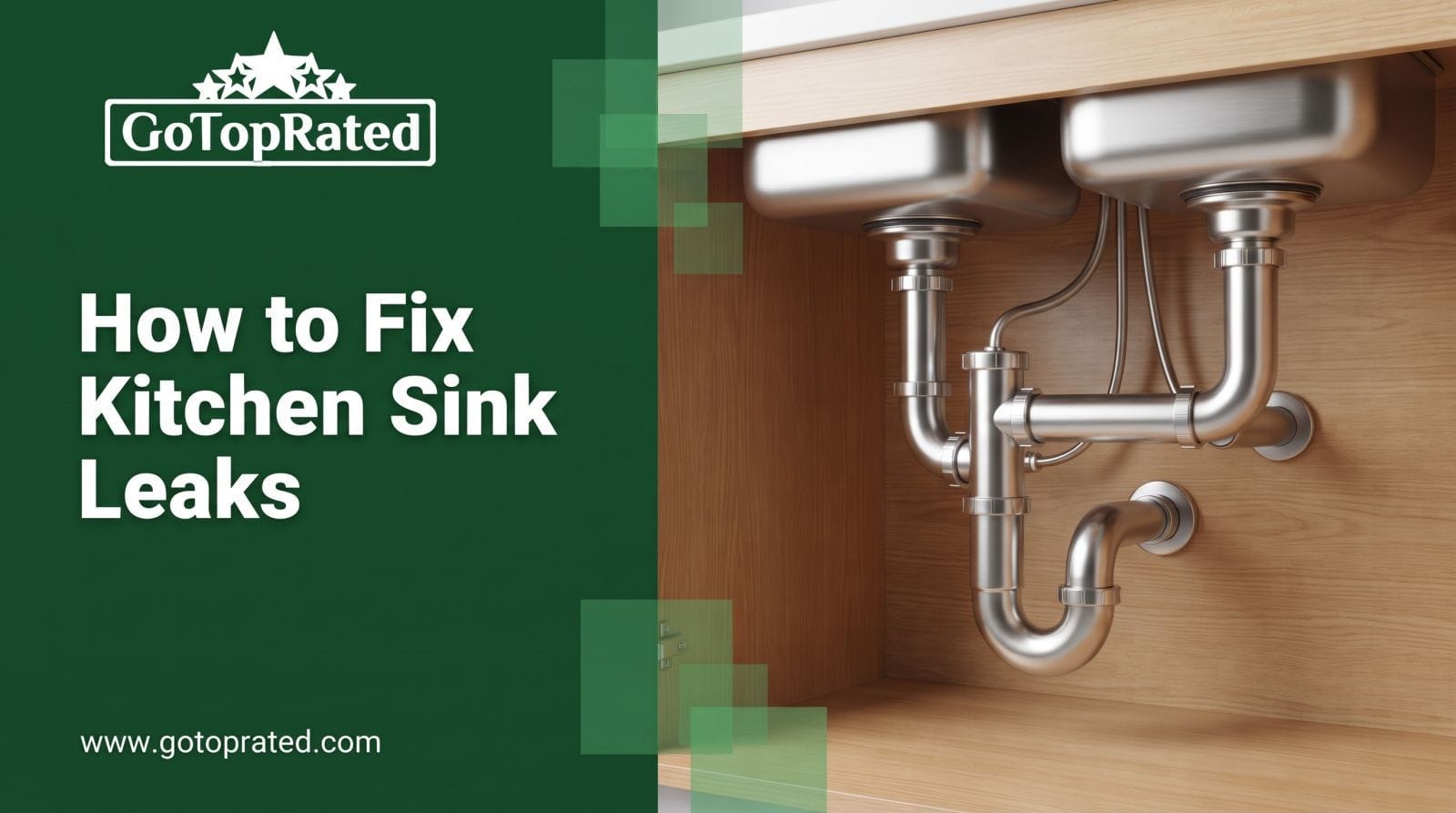
Once you pull everything out, the damage becomes obvious — soaked sponges, a soggy box of trash bags, and cabinet wood that's starting to swell and darken at the edges. It's frustrating, but here's the good news: most kitchen sink leaks come from the P-trap, the U-shaped pipe under your basin, and it's one of the easiest plumbing fixes in the entire house. No special tools, no plumbing license, just twenty minutes and a bit of patience.
If the leak turns out to be bigger than a loose nut, it's always smart to have a backup plan. For trickier jobs, professional plumbing services in Dubai can step in fast. But let's start with what you can fix yourself right now.
1: Pinpointing the Leak Location Under Your Sink
Before you grab a wrench, you need to know exactly where the water is coming from. Wipe everything dry, run the tap, and watch closely. Here's what usually causes the drip:
Loose Slip-Nuts
These are the plastic (or sometimes chrome) rings that hold your pipe joints together. Dubai's heat causes plastic pipes to expand and contract constantly, and daily vibration from disposal use or foot traffic in the kitchen slowly works these nuts loose over time.
Worn-Out Rubber Washers & Gaskets
Inside every slip-nut sits a small rubber or nylon washer that creates the actual watertight seal. Dubai's notoriously hard water leaves mineral deposits behind, and over months this dries out and cracks the rubber, so even a tight nut won't stop the drip.
Sink Strainer Putty Failure
Look up instead of down. Sometimes the leak isn't from the pipes at all — it's dripping from where the metal strainer basket meets the top of your sink. The plumber's putty or sealant used during installation eventually fails, letting water seep down around the drain flange and run down the outside of the pipe.
2: Step-by-Step DIY Action Plan to Fix Sink Pipe Leaks
Once you've identified the likely culprit, work through these steps in order.
Step 1: Place a Bucket & Hand-Tighten Slip Nuts
- Slide a bucket or basin under the P-trap to catch any residual water.
- Locate each slip-nut connection (there are usually two or three).
- Try hand-tightening each one a quarter turn clockwise first.
- If it's still loose, use channel-lock pliers — but go gently. A quarter turn past snug is usually enough.
- Run the tap again and check for drips.
If this solves it, great — you're done. If water still seeps out, move to Step 2.
Step 2: Disassemble P-Trap & Replace Rubber Washers
- With the bucket still in place, fully unscrew the slip-nuts by hand or with pliers.
- Slide the U-bend pipe downward and off — expect a small amount of standing water and debris to spill out.
- Clean out any buildup of food particles, grease, or hair inside the trap.
- Inspect the rubber or nylon washers on each end. If they look flattened, cracked, or brittle, replace them — they're inexpensive and sold at any hardware store.
- Reassemble the pipe, making sure the washer sits flush inside the nut before tightening.
- Hand-tighten first, then give a small extra turn with pliers if needed.
Step 3: Re-sealing the Sink Strainer Flange
If your leak is coming from above (around the strainer basket, not the pipes):
- Loosen the locknut underneath the sink and remove the old strainer.
- Scrape off all the old, hardened putty from both the sink and the strainer flange.
- Roll a fresh rope of plumber's putty (or apply a bead of silicone sealant) around the underside of the new strainer rim.
- Press the strainer firmly back into the drain hole from above.
- From below, reattach the washer and locknut, tightening until the putty squeezes out slightly around the edges.
- Wipe away the excess and let it cure before running water.
Still dealing with slow drainage even after fixing the leak? That's often a separate issue — buildup further down the line. In that case, expert drain cleaning services can clear the blockage properly instead of masking the symptom.
3: What NOT to Do When Repairing Sink Plumbing
A few common mistakes make leaks worse, not better:
- Don't over-tighten plastic PVC threads. Plastic slip-nuts strip and crack under too much force. If it feels tight, stop — cranking harder usually cracks the fitting and turns a small leak into a full pipe replacement.
- Don't rely on duct tape or plumber's tape as a permanent fix. These might buy you an hour, but they're not designed to hold against constant water pressure and moisture. The leak will return, often worse, and now hidden behind a wrap of tape you'll have to remove first.
- Don't ignore a "small" drip. A slow leak today is warped cabinet flooring next month.
- Don't mix old and new washers. Always replace the full washer set on a joint together — a fresh washer against an old, misshapen one still won't seal properly.
4: Protecting Kitchen Cabinets From Moisture Damage
Even after your repair, a little prevention goes a long way — especially in Dubai's humidity, which gives mold every reason to thrive in damp, enclosed cabinet spaces.
- Install a water leak alarm. These battery-powered sensors sit on the cabinet floor and sound an alert the moment they detect moisture — often catching a new leak within minutes, not weeks.
- Use a waterproof tray or mat. Place one under your P-trap and cleaning supplies so any future drips get caught before they reach the wood.
- Check your under-sink area monthly. Make it a quick habit — thirty seconds with a flashlight can save you a costly cabinet replacement.
- Keep the cabinet ventilated. Leave the door open occasionally to let trapped humidity escape.
Conclusion
A leaking kitchen sink pipe seems minor, but left unchecked, it quietly rots cabinet wood, feeds mold growth, and turns into a repair bill far bigger than a $2 washer. The fix itself is simple: tighten what's loose, replace what's worn, and reseal what's failed. Most homeowners can handle this in under half an hour with basic tools.
But if you've tightened every nut, replaced the washers, and water is still finding its way out — or if the pipes themselves are corroded or cracked — it's time to call in a professional rather than risk water damage spreading further. Head over to GoTopRated to find certified, highly-rated plumbers across Dubai who can diagnose and fix the problem for good, so your kitchen stays dry and your cabinets stay intact.